Eating Our Way Through Boracay: What & Where to Try
Filipino cuisine is honestly one of the most underrated in the world — and yes, I can say that with full confidence because I am Filipino. Beyond our classic dishes, we have this incredible ability to take influences from neighbouring Asian cuisines and the West and make them entirely our own. It's a superpower, really. That said,…

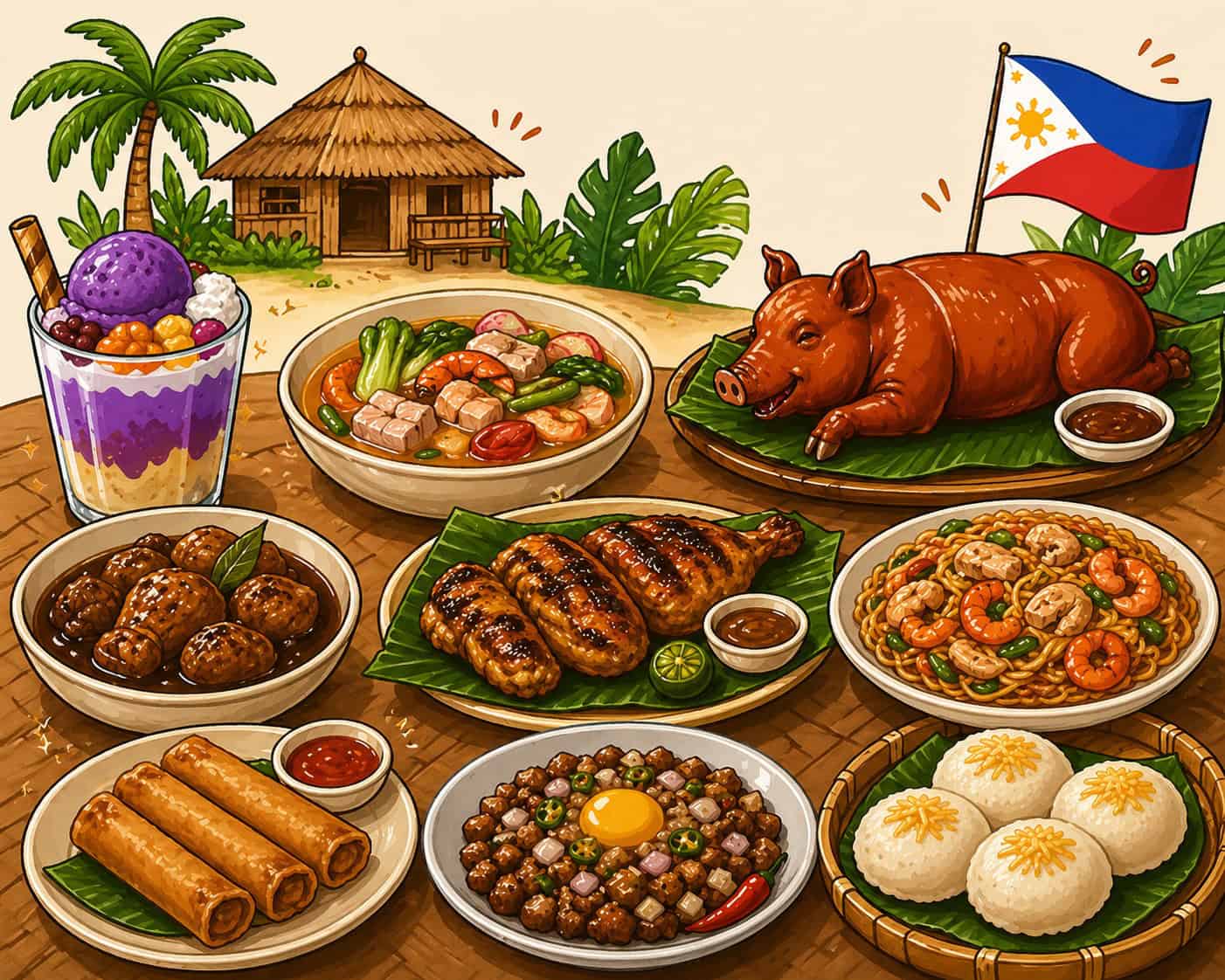
Filipino cuisine is honestly one of the most underrated in the world — and yes, I can say that with full confidence because I am Filipino. Beyond our classic dishes, we have this incredible ability to take influences from neighbouring Asian cuisines and the West and make them entirely our own. It’s a superpower, really.
That said, Boracay is small but mighty when it comes to food, and we barely scratched the surface during our short trip. So here’s our honest, tried-and-tested list of where to eat — no fluff, just the good stuff.
Main Meals
1. Paluto / Filipino Street Food at D’Talipapa
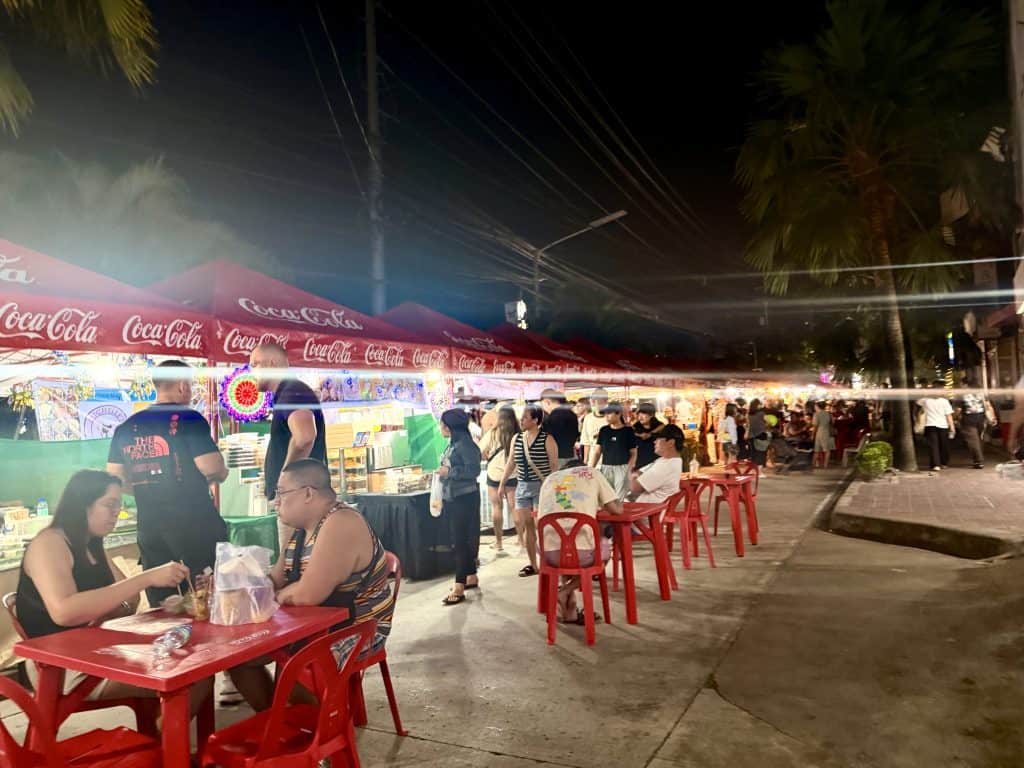
If you want to eat like a local without emptying your wallet, this is your spot. Paluto literally means “cook-to-order,” and the whole setup is wonderfully chaotic in the best way — rows of tents, mismatched tables and chairs, smoke from grills, and the smell of that unmistakeable Filipino barbecue marinade. It hits differently when you’re eating it steps away from the beach.
The main wet market is D’Talipapa, tucked between Stations 2 and 3. Here’s how it works: you browse the stalls, pick your fresh seafood — crabs, prawns, lobster, fish — negotiate the price (yes, you absolutely can and should haggle!), and then bring it to a nearby cooking stall to have it prepared.
Rough pricing to expect:
- Seafood at the market varies — prawns from around ₱200–₱400 (2.5-4£; 3-5 USD) per 100g, crabs from ₱500 (6£; 8 SUD) upwards depending on size
- Cooking fee per dish is usually ₱100–₱150 (1-2£; 1-3 USD) , with options like buttered garlic, grilled, or sweet and sour
- A full meal for two with rice and drinks? Easily under ₱1,000 (12.5£; 16 USD) — you really can’t beat it
Sababi Paluto gets consistently good reviews for its variety of cooking styles — worth asking for by name.
Little tidbit: Don’t be shy about negotiating at the market stalls. It’s expected, it’s part of the experience, and honestly it’s half the fun.
2. The Pig Out Bistro
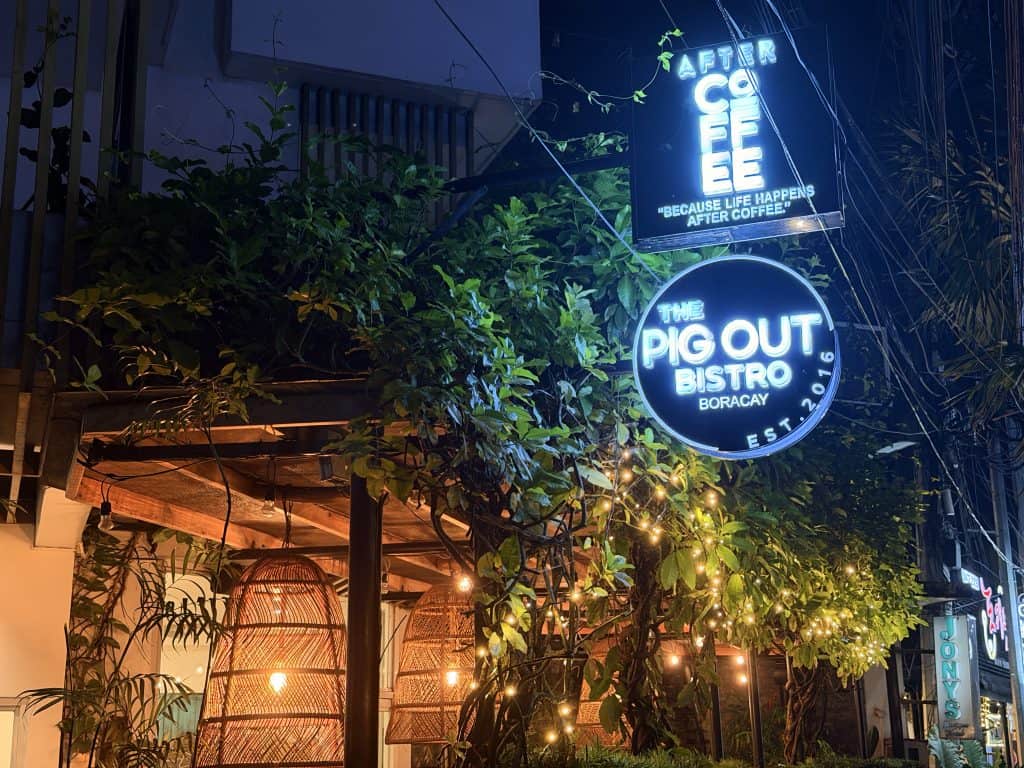
The queue outside already tells you everything you need to know. When we arrived, there was a solid crowd waiting for tables and takeaway orders — we got lucky and snagged a little table for two without a reservation. Pat on the back for us.
The food here is rustic Filipino cooking, but elevated — think dishes you grew up with (or have heard of, if you’re not Filipino), done really, really well. Nothing pretentious, just honest food with proper flavour.
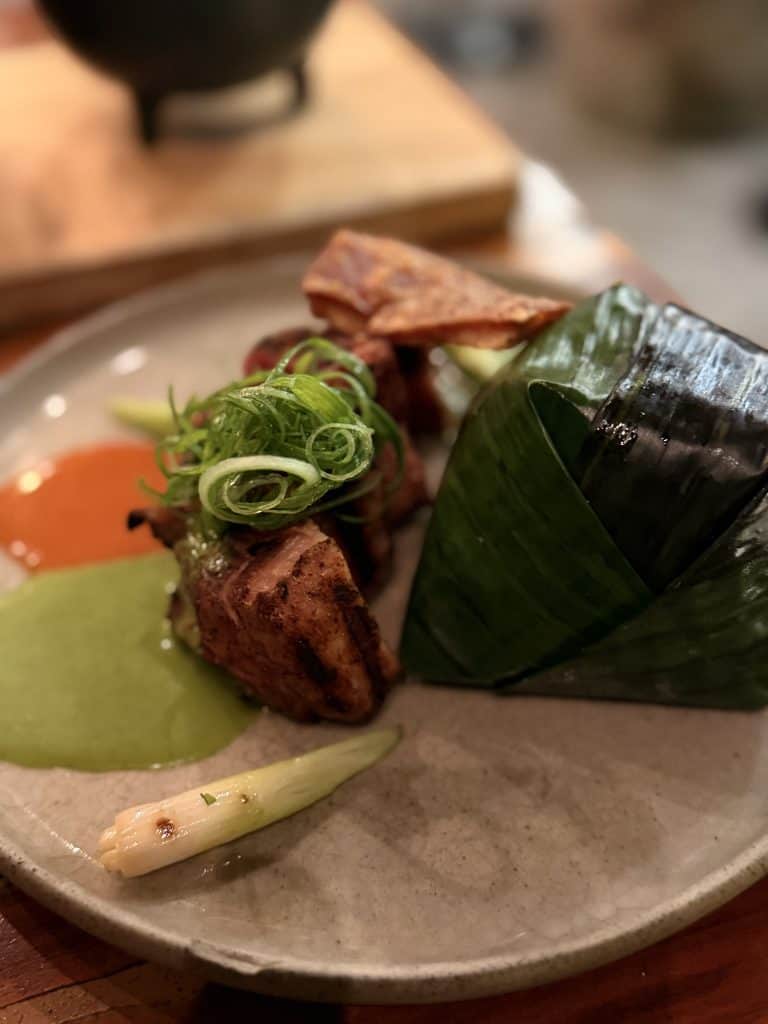
Pricing: Mid-range — expect to spend around ₱400–₱700 per person (5-9 £; 7-12 USD) for a proper meal. Absolutely worth it for the quality and portion sizes.
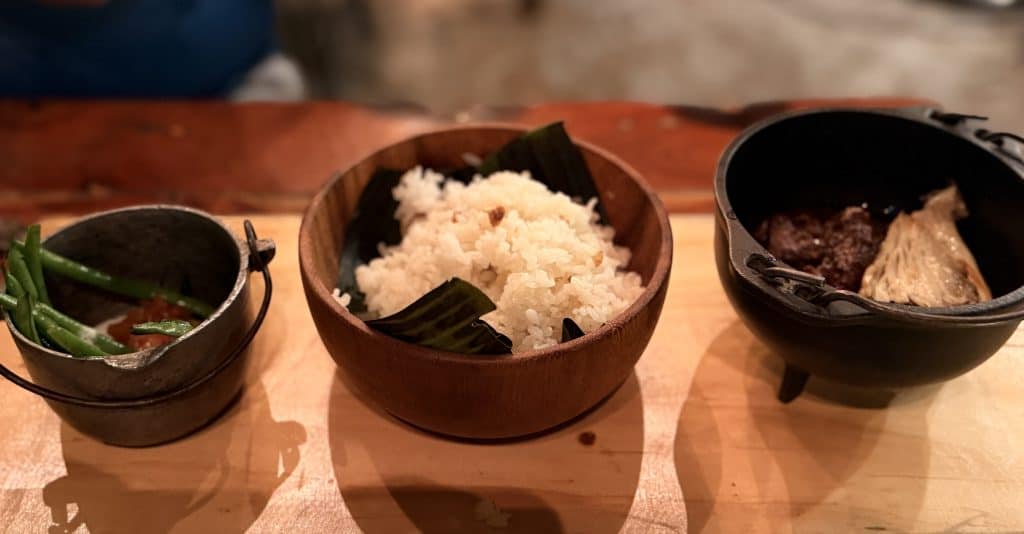
The vibe is relaxed and unpretentious, which honestly just makes the food taste better. That classic Filipino hospitality is felt here, from the food right down to the service.
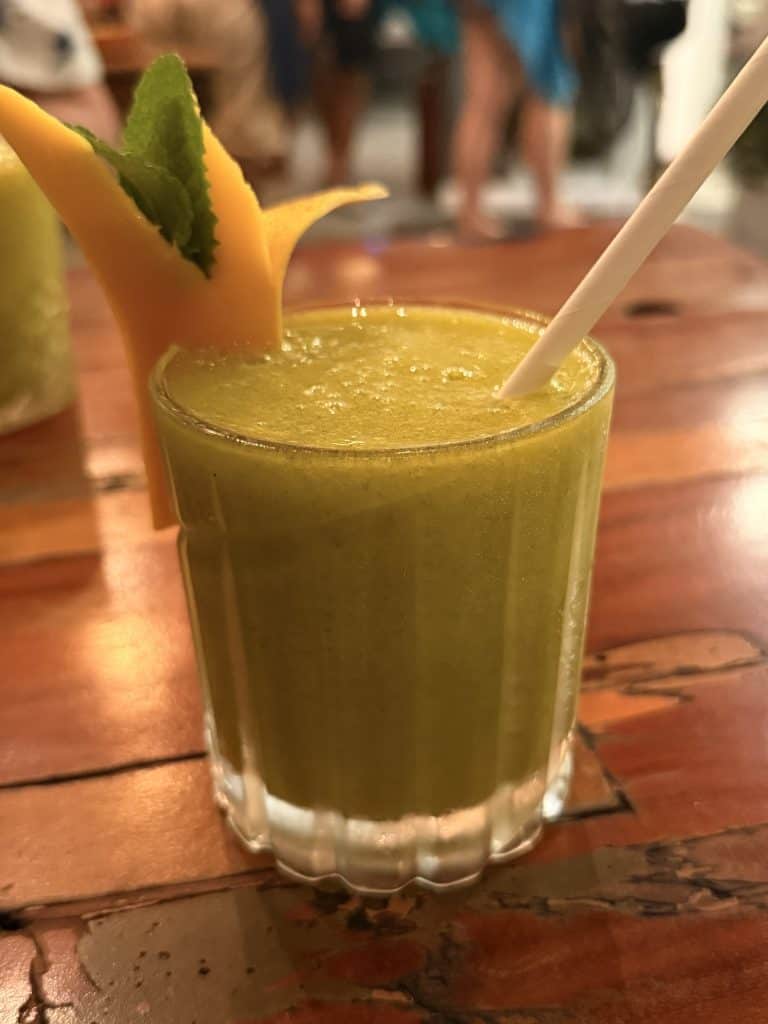
Little tidbit: Go early or be prepared to wait. If you have no reservations, it’s first come, first served — and people know it’s good.
A little history lesson for context: the Philippines was under Spanish colonial rule for over 300 years, and that influence runs deep — in our language, our surnames, our architecture, and very much in our food. Dos Mestizos leans into that heritage beautifully.
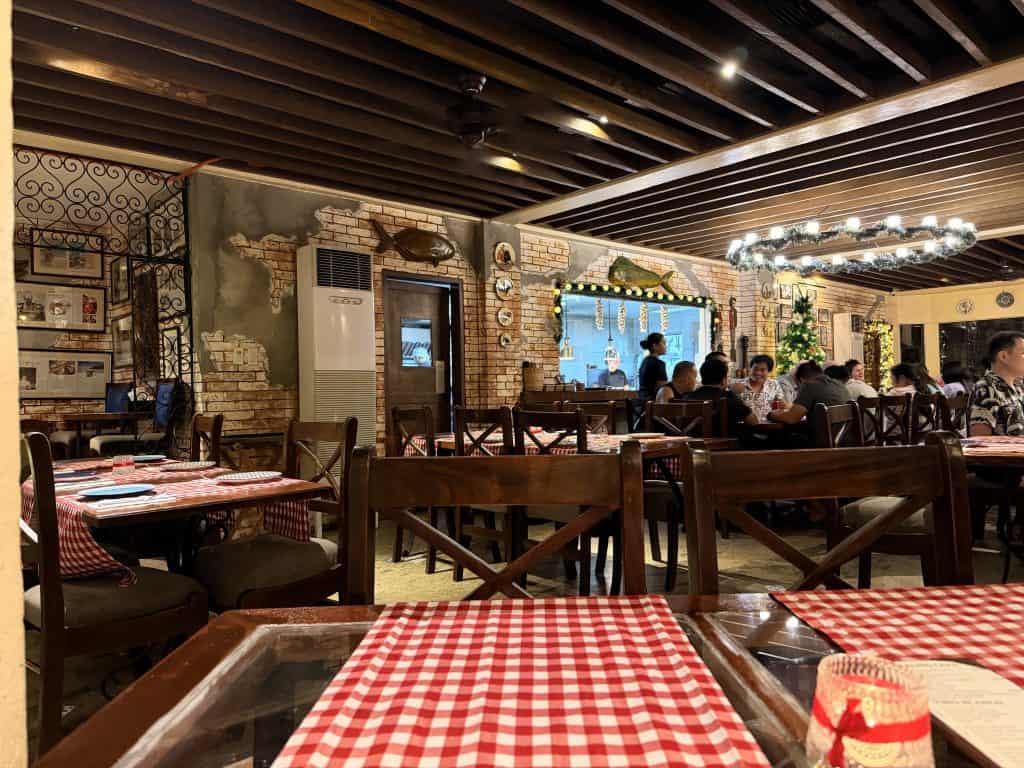
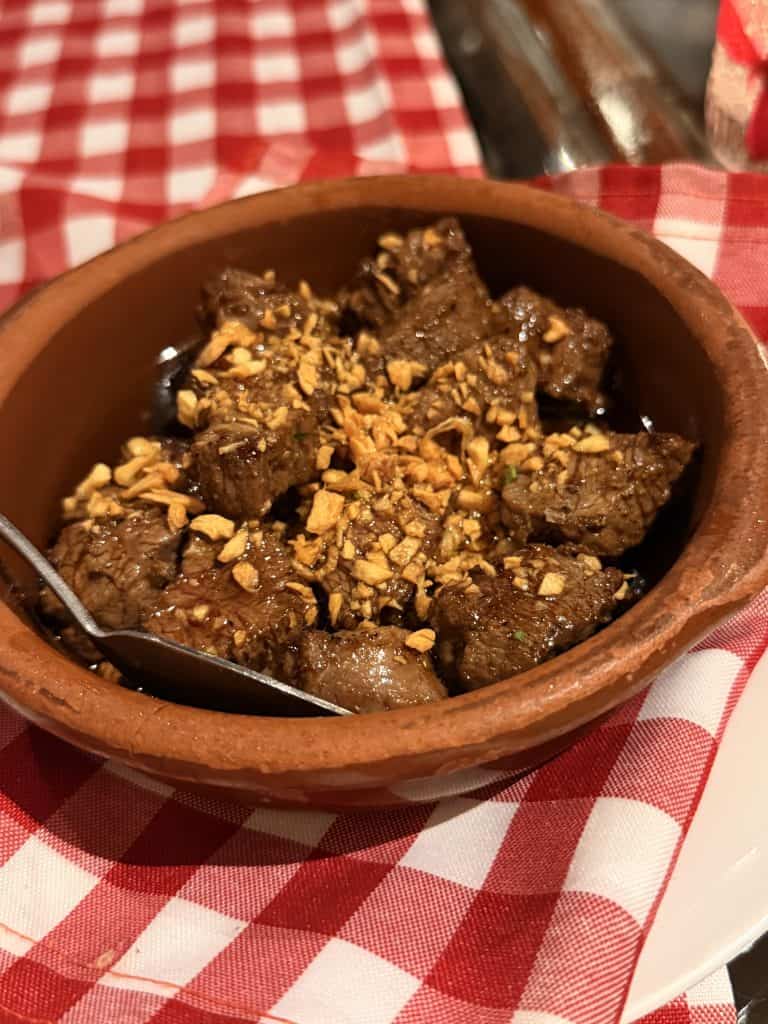
Now located in Station 1 (it moved from Station 3 back in 2020), this is a Spanish-Filipino restaurant that takes the paella, the tapas, the wine — and gives it a distinctly Filipino soul. The black rice paella with squid, lemon, and peppers is something else, and the Salpicao is rich and satisfying in that way that makes you want to order it again immediately.
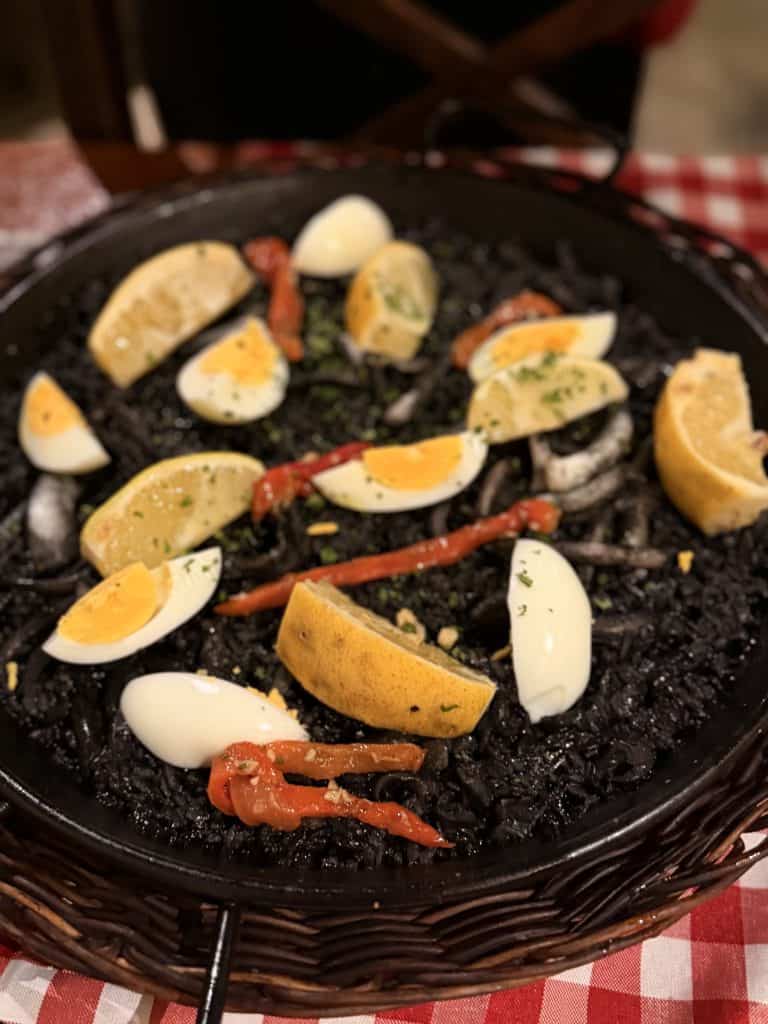
Pricing: Mid-range to upscale — budget around ₱800–₱1,500 per person (10-20£; 15-30 USD), more if you’re going into the wine list. This is the place for a proper sit-down dinner, a special occasion, or simply because you deserve nice things.
Little tidbit: Book ahead if you can, especially for dinner. Tables go quickly!
4. Sunny Side Cafe
Beach views, good coffee, and a menu that makes you genuinely struggle to decide — this is Sunny Side Cafe. There are two branches (Station 1 and Station 3) and we went to the Station 1 location, which has that lovely beachfront setting that makes everything taste better.
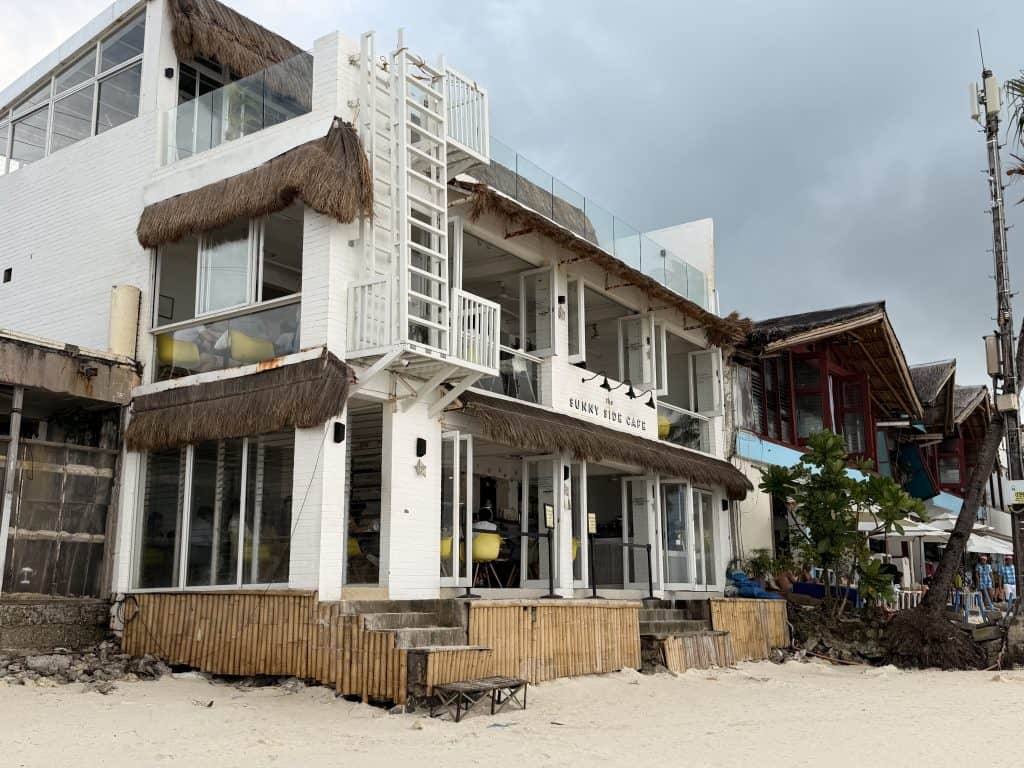
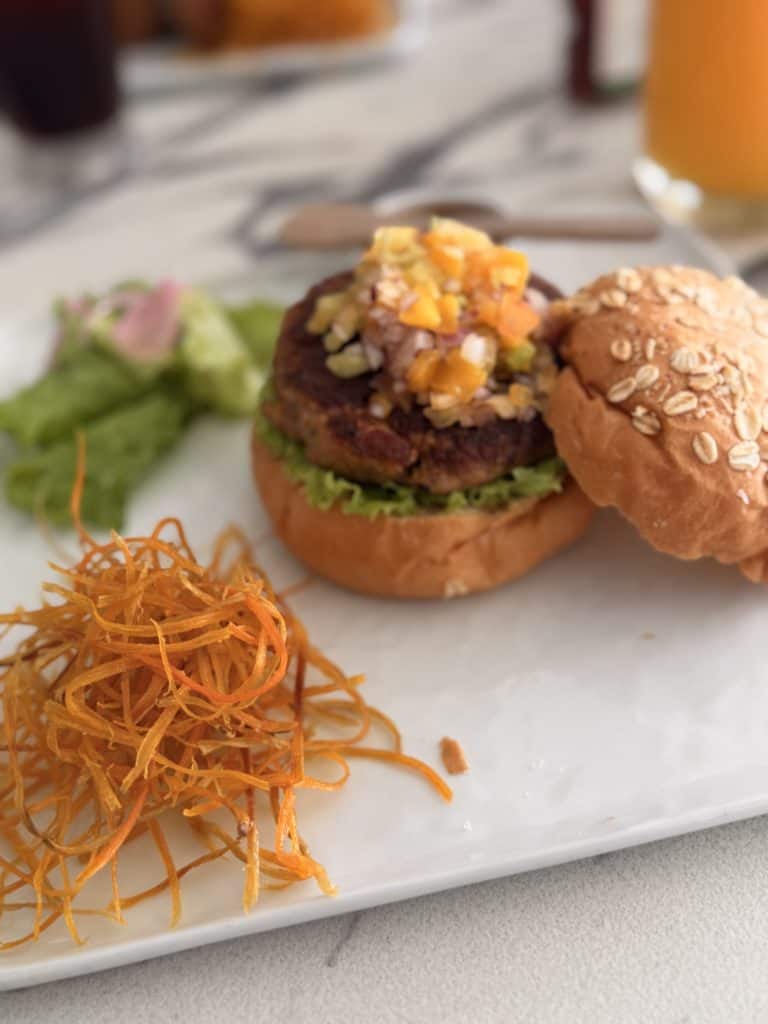
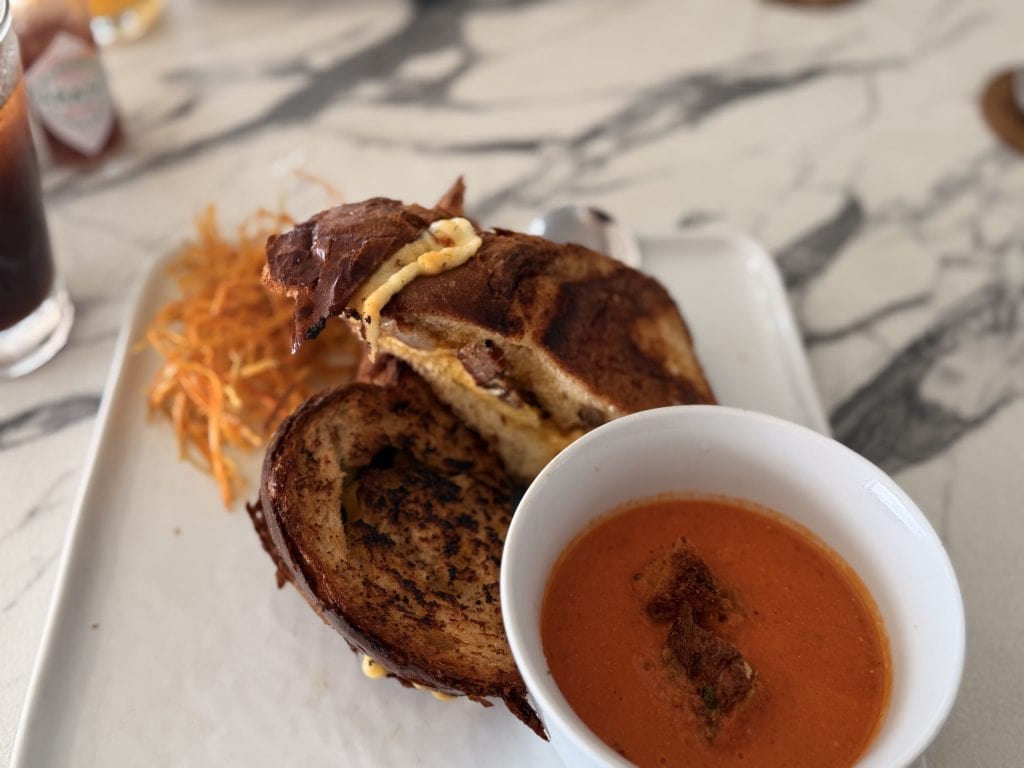
There’s a queue here too — Boracay clearly rewards the patient — and the top orders are the Bacon and Mango Grilled Cheese (yes, it sounds wild, yes it works) and the Choriburger, which is exactly what it sounds like: a burger with chorizo filling. It’s messy and brilliant.
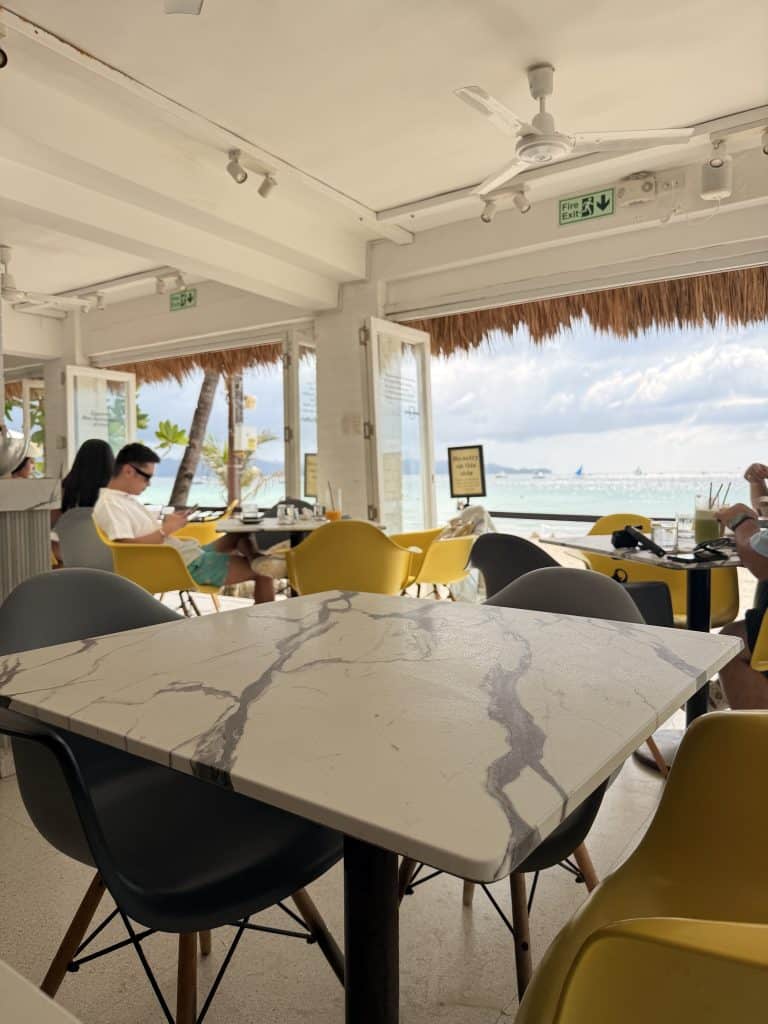
Pricing: Cafe pricing — around ₱300–₱600 per person (4-7£; 5-10USD) for a meal with drinks. Great for breakfast or a laid-back lunch.
Little tidbit: The mango and bacon combo is a Filipino thing and I will not be taking questions on it. Just try it.
Desserts
1. Dear Happy — Halo-Halo
The ultimate Filipino dessert experience, full stop. Halo-halo (which literally means “mix-mix”) is a glorious, towering thing — shaved ice, evaporated milk, ube (purple yam) ice cream, sweetened beans, jelly, banana, and a whole universe of toppings depending on who’s making it. Dear Happy does it proud.
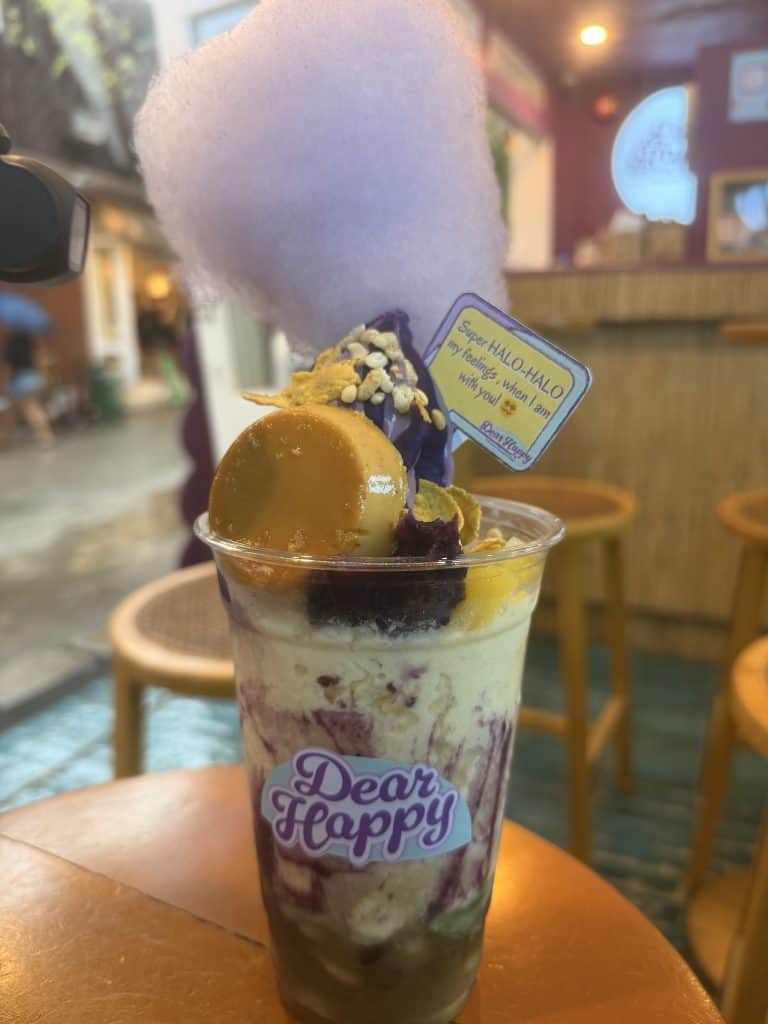
Pricing: Around ₱150–₱250 (2-3£;3-4 USD) for a proper serving — and it is very filling.
Little tidbit: If you’ve never had halo-halo before, this is the place to try it. And don’t overthink it — just mix it all together and enjoy the chaos.
2. Coco Mama — Waffle Bowl
Simple, fresh, and the kind of thing you eat while walking along the beach feeling very pleased with yourself. A hearty bowl loaded with shredded coconut, mango, ice cream, and nuts — it’s the perfect Boracay dessert.
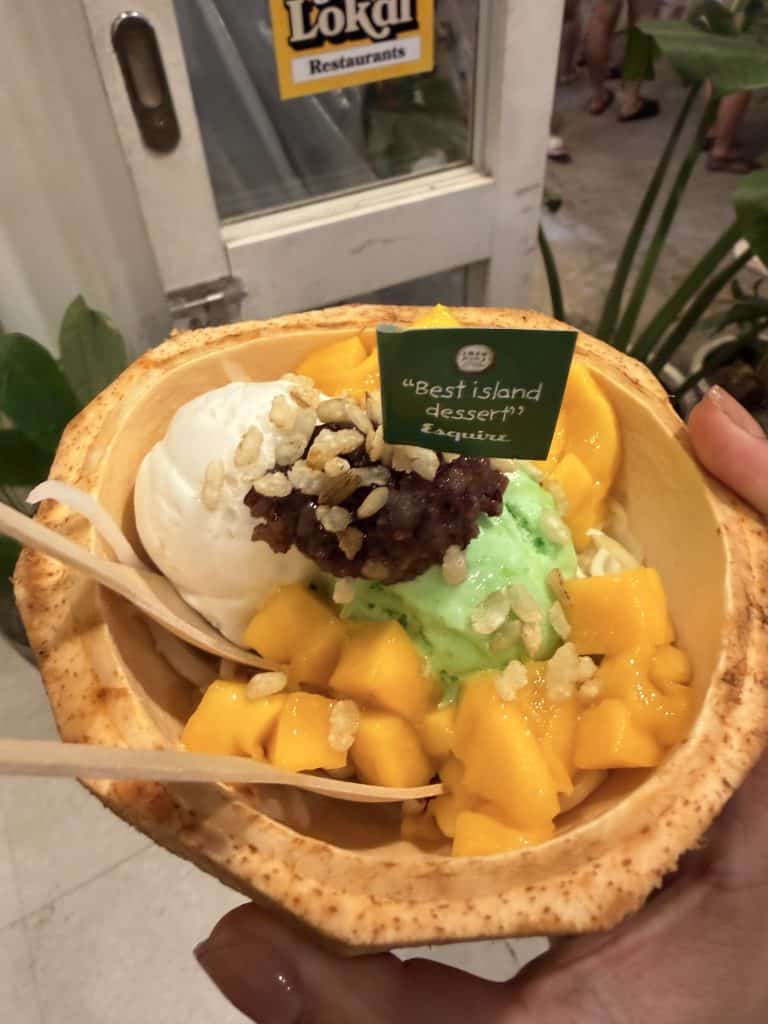
Pricing: Around ₱150–₱200 (2-3£; 3-5USD), depending on toppings.
That’s our Boracay food edit — imperfect, incomplete (because one trip is never enough), but genuinely loved. If you go, eat everything. You can diet at home.