How to beat the Airport queue with Mobile Passport Control (MPC)
Landing in Miami on our way to Lima, we braced ourselves for the usual immigration gauntlet: bright lights, tired faces, and a queue that feels like it might stretch into next week. Instead, we walked through in 10 minutes. The secret? Mobile Passport Control (MPC) — a free app from U.S. Customs and Border Protection…

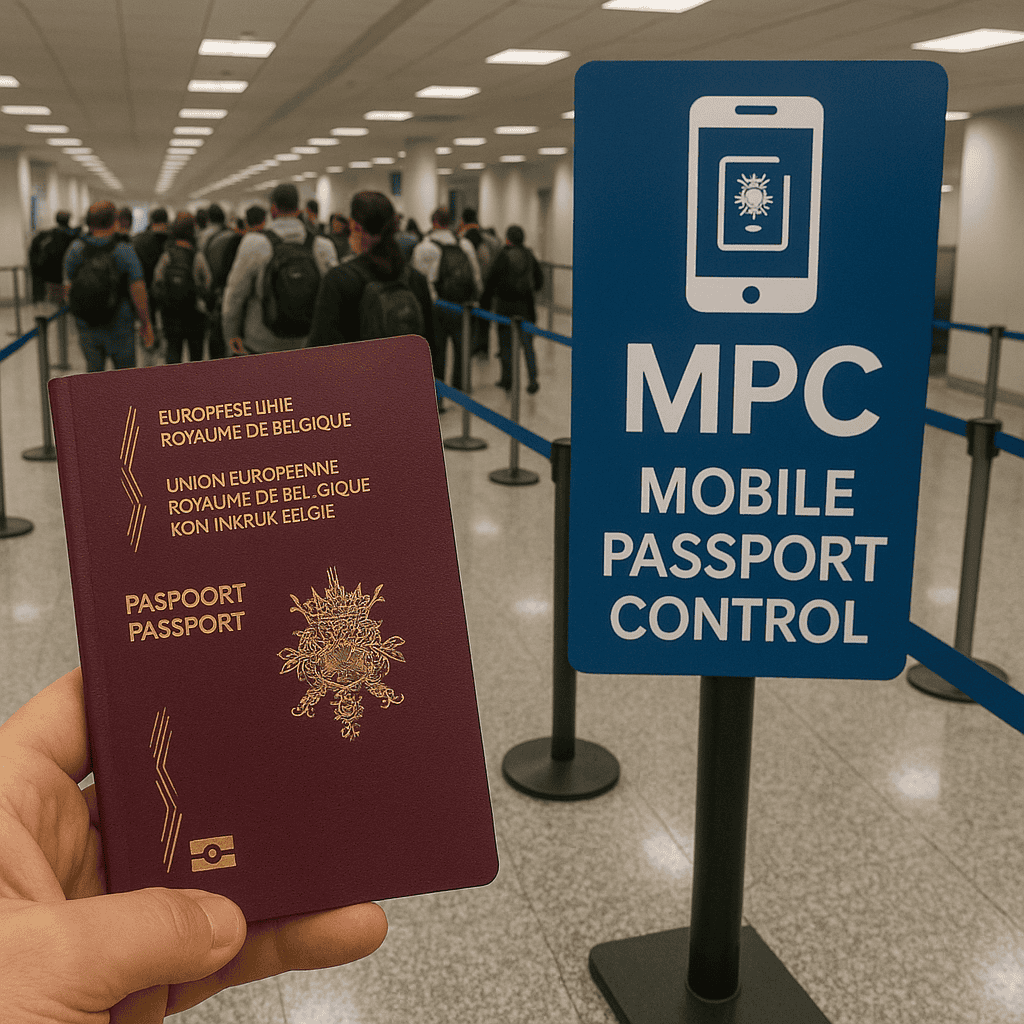
Landing in Miami on our way to Lima, we braced ourselves for the usual immigration gauntlet: bright lights, tired faces, and a queue that feels like it might stretch into next week. Instead, we walked through in 10 minutes. The secret? Mobile Passport Control (MPC) — a free app from U.S. Customs and Border Protection (CBP) that lets you submit passport + customs info ahead of time so you join a shorter line.
Here’s exactly how it played out (and what you need to know).
What Exactly Is MPC & Who Can Use It
MPC is not a replacement for your passport or personal interview — it simply speeds up part of the process. You still go through the same CBP officer who checks your passport and asks questions about purpose/duration. The gain is mostly in skipping the long lines.
Here are a few facts from CBP’s official info:
- You can use MPC up to 4 hours before landing or immediately after arrival, submitting your data in the app (passport info, declarations, a selfie).
- MPC is free. There’s no background check, no security interview, no enrollment.
- You can add up to 12 people in one device, making it handy for couples or families who want to stick together.
- Once your submission is accepted, you receive a receipt (QR code) valid for 4 hours. Then in the airport’s customs/immigration zone, you follow the signs to the MPC-designated lane.
- MPC doesn’t replace other required documents (like ESTA if you arrive under the Visa Waiver Program).
- As of recent announcements, CBP is actively expanding MPC to more airports and even preclearance locations abroad (e.g. Abu Dhabi) so more travelers can benefit.
In short: MPC doesn’t eliminate the passport check, but it lets you get to it faster.
Our Experience: Miami, 10 Minutes, Smiling Faces
We had everything ready — app installed, documents filled in, and a shared submission for the two of us. When we landed, we tapped “submit,” got our QR receipt, and walked into the MPC line. To our surprise, it was nearly empty.
By the time we reached the CBP officer, it was business as usual: we handed over passports, answered questions about our trip (purpose, length, etc.), and continued on our way. But because we avoided the crowd, the whole process took only 10 minutes — versus the 45+ minutes we observed in the regular queue.
Afterward, as we collected our luggage, we felt like we’d discovered a hidden travel hack. The real value wasn’t skipping questioning or checks (that part didn’t change); it was skipping the wait.
Tips & Caveats Before You Try It
- Download and set up the app before you land — it gives you time to get familiar and avoids delays just after deplaning.
- Double-check that the arrival airport supports MPC. Not every U.S. entry point has it yet.
- If your flight is diverted to a non-MPC airport, you may lose the benefit.
- You’ll still interact with a CBP officer. Be ready for the standard immigration questions — MPC just streamlines the path to that moment.
- MPC is voluntary. If you don’t use it (or it’s not available), you simply join the standard queue and go through the usual process.
- Privacy: CBP collects passport, travel info, photos, and answers to inspection questions. The data is cross-checked with CBP’s systems.
We’ll likely use MPC every time it’s available from now on — it’s a simple, free trick with a big time payoff. If you fly into the U.S., download the app, give it a go, and let the lines melt away.