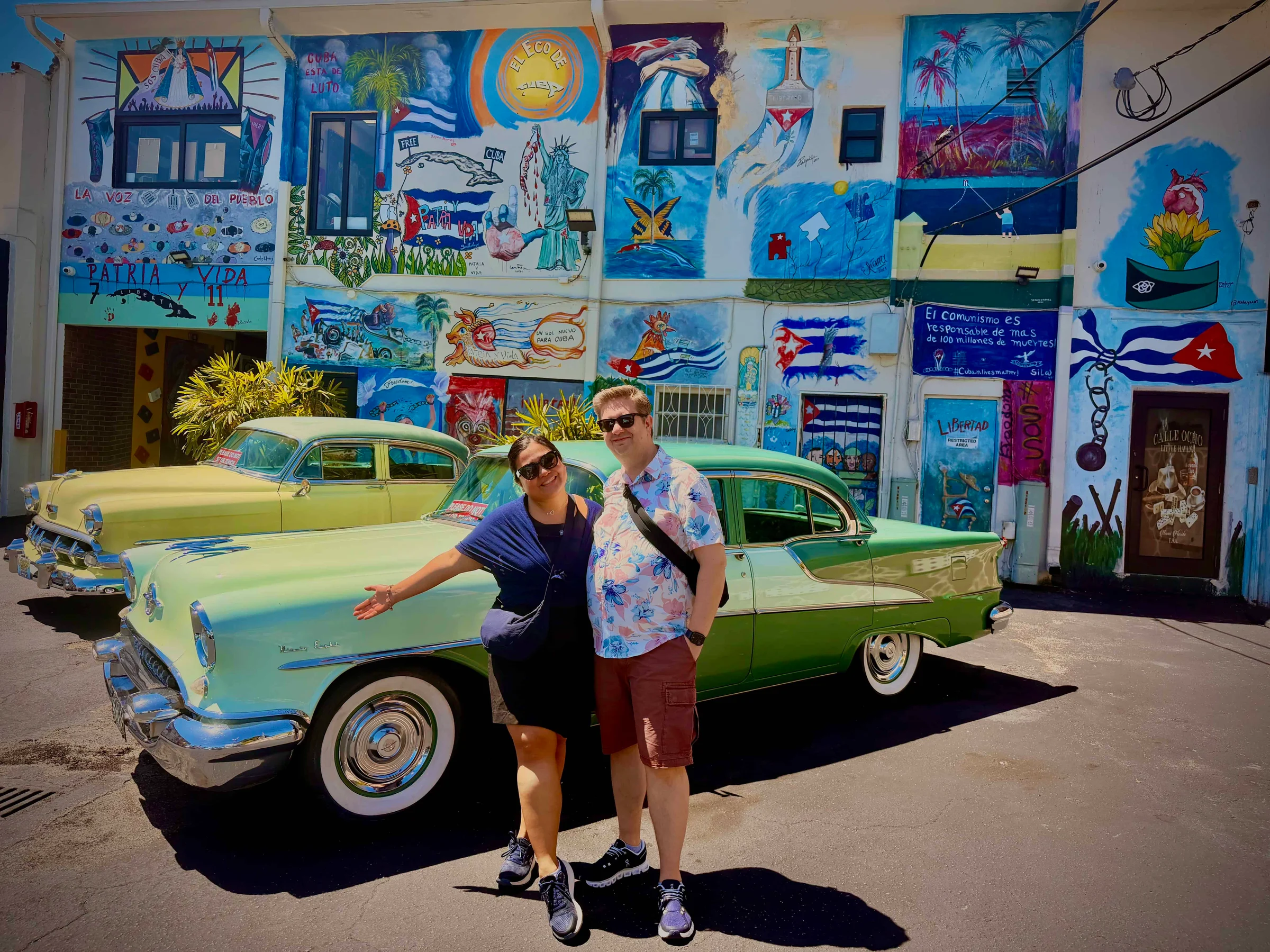


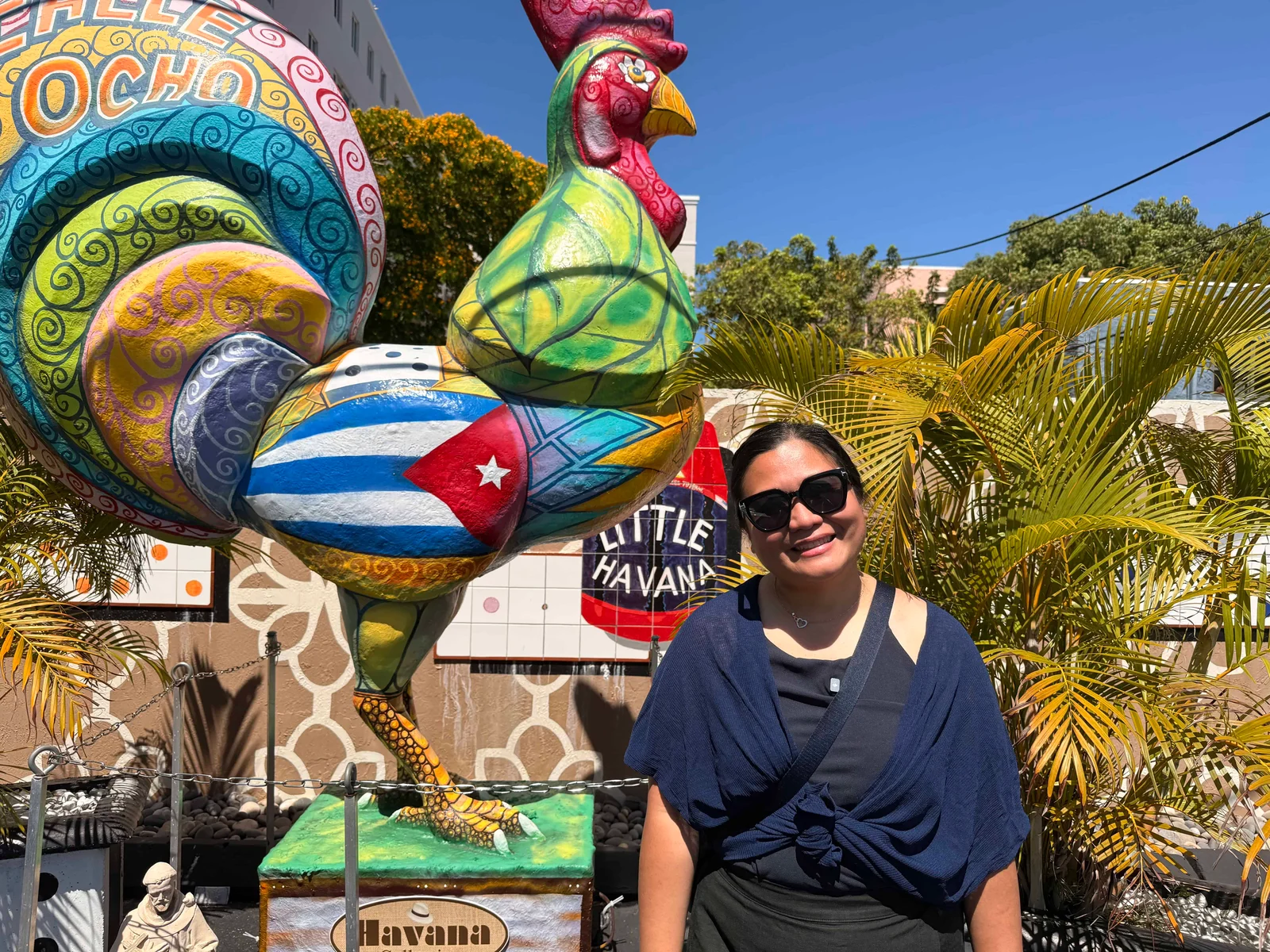
We had two days in Miami before boarding our cruise, and we wanted at least one of them to mean something. So we booked a small-group food tour through Little Havana with Secret Food Tours, and it turned out to be the highlight of the whole stay.
Little Havana is the heart of Cuban Miami, a few sun-baked blocks of Calle Ocho where the coffee is strong, the music never really stops, and the food is the real thing. You could wander it on your own. But you'd walk straight past half the stories.
It doesn't start with food
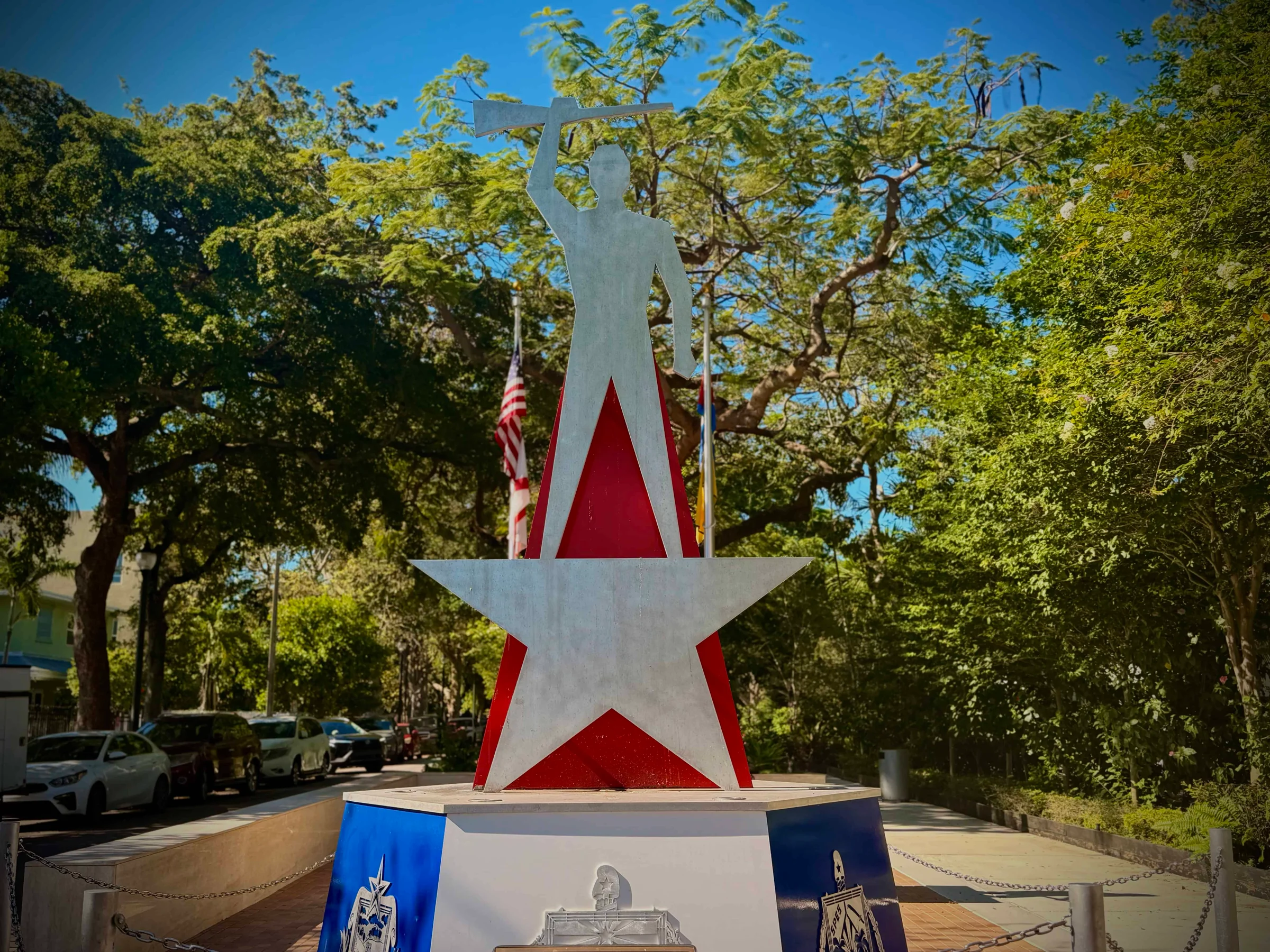
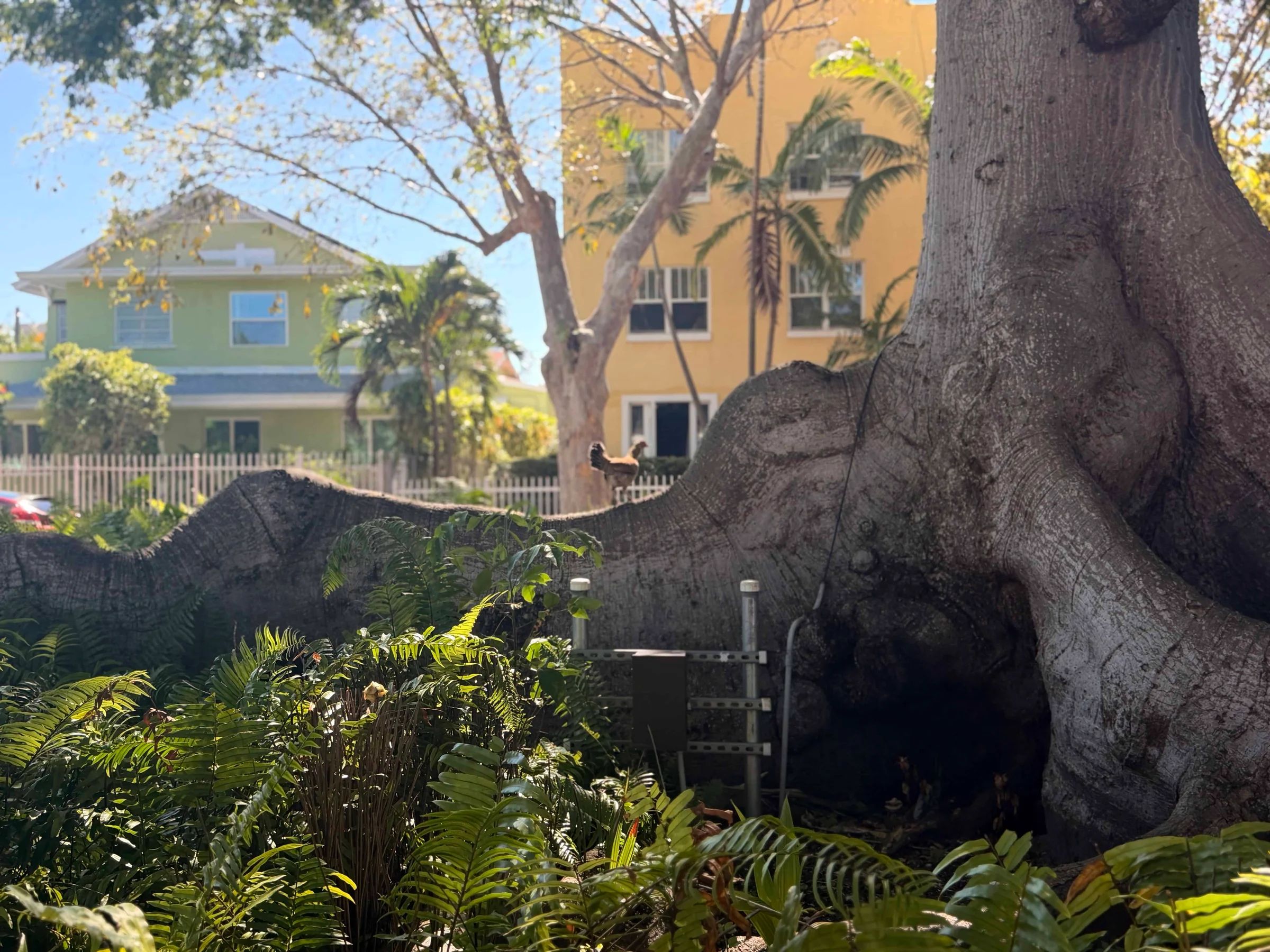
The tour begins at the Bay of Pigs Monument, but the first thing our guide showed us wasn't food at all. Just behind it, in a small park, stands an enormous ceiba tree, one of the most sacred trees in Cuban culture. At the heart of Santería, the Afro-Cuban religion, it's believed to hold the spirits within it, and for the exiles who built Little Havana it became a piece of home. People still leave offerings at its roots: coins, fruit, candles. A few days before we visited, our guide told us, someone had even left a gun.
It set the tone perfectly. This was never going to be just snacks on a stick.
Then the eating begins
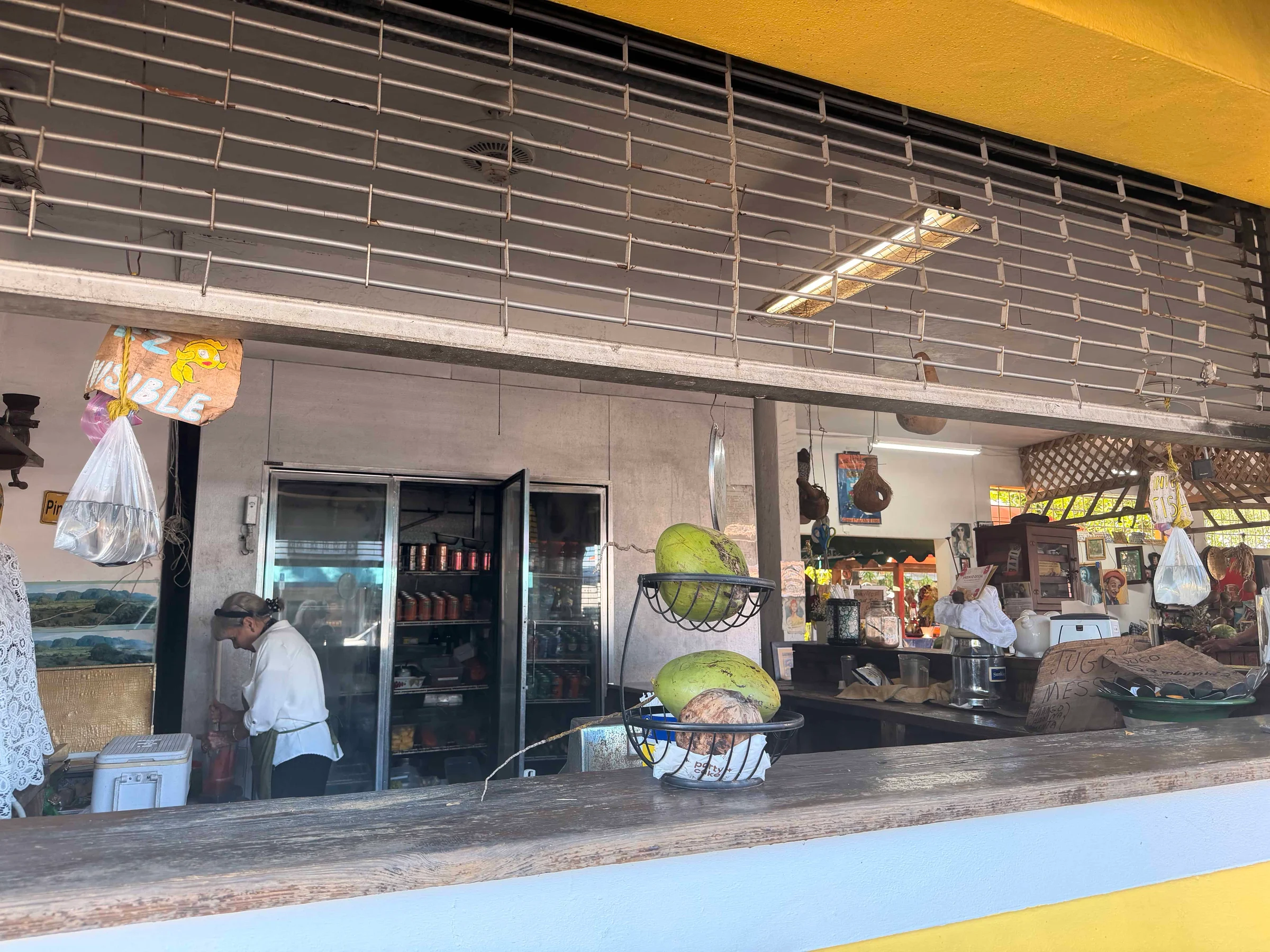
Our first taste was at Los Pinareños, the oldest fruit stand in Miami, run by the same Cuban family since the sixties. An older lady made our drink by hand. Guarapo, fresh sugarcane juice pressed straight from the stalk and poured over ice. Cold, sweet, and exactly what we needed in that thick Miami heat.
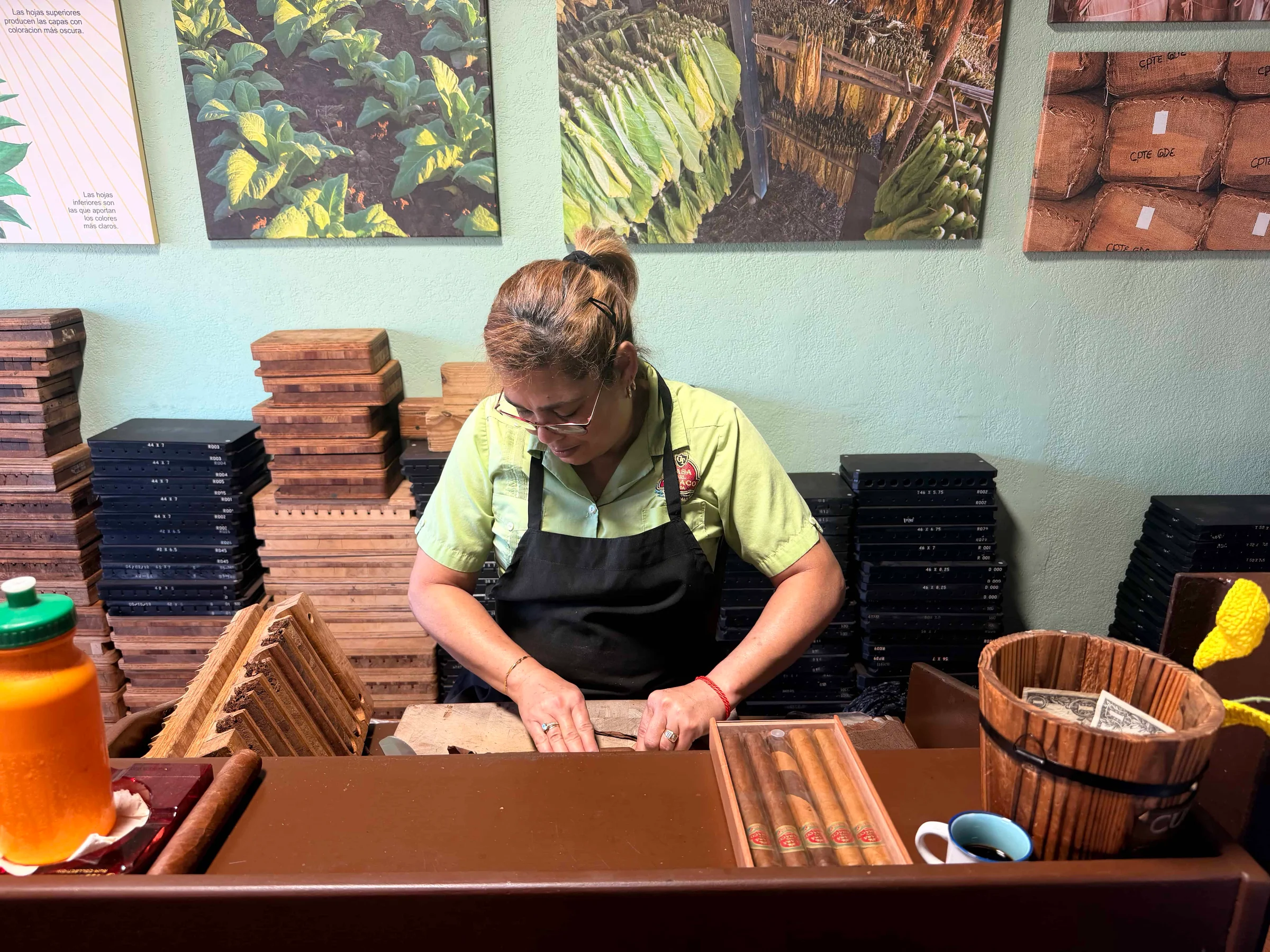
From there we stepped into a cigar shop, because few things are as Cuban as a cigar. We watched a roller layer the inner leaves and seal them under a single smooth wrapper, her hands moving with the ease of years of practice. The whole place was thick with the scent of tobacco, even some flavoured ones, rolled with chocolate or infused with whisky.
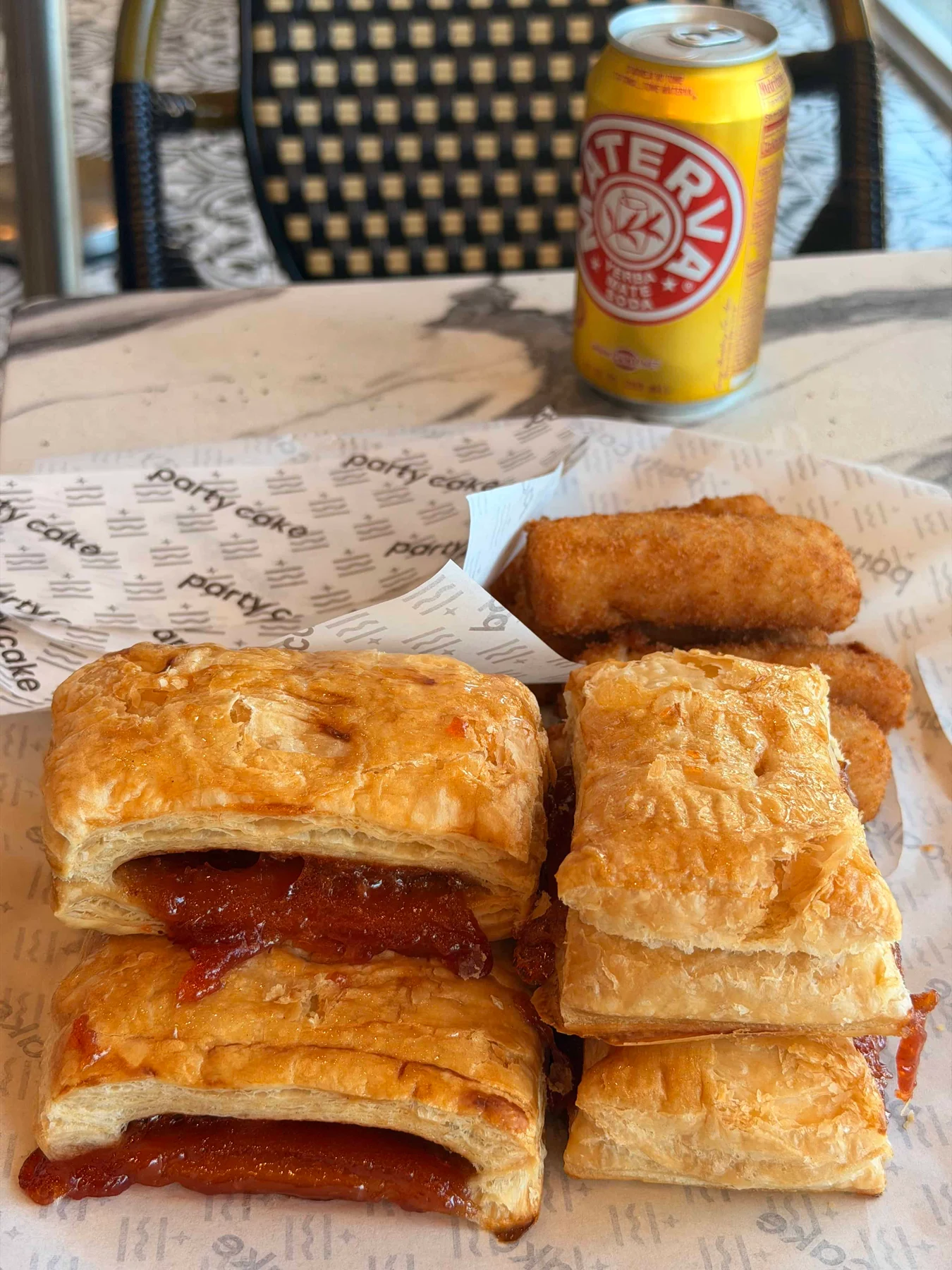
Next came a Cuban bakery, the kind of place a neighbourhood is built around. Step inside and it smells of a Cuban morning, the air sweet with sugar and rich with coffee. We worked through the classics. Pastelitos, flaky pastry filled with sweet guava, the ones locals grab fresh on the way to work. Ham croquetas, fried gold and soft in the middle. A cold can of Materva, a sweet yerba mate soda. And to finish, Cuban coffee, tiny, jet black, and so sweet it hums.
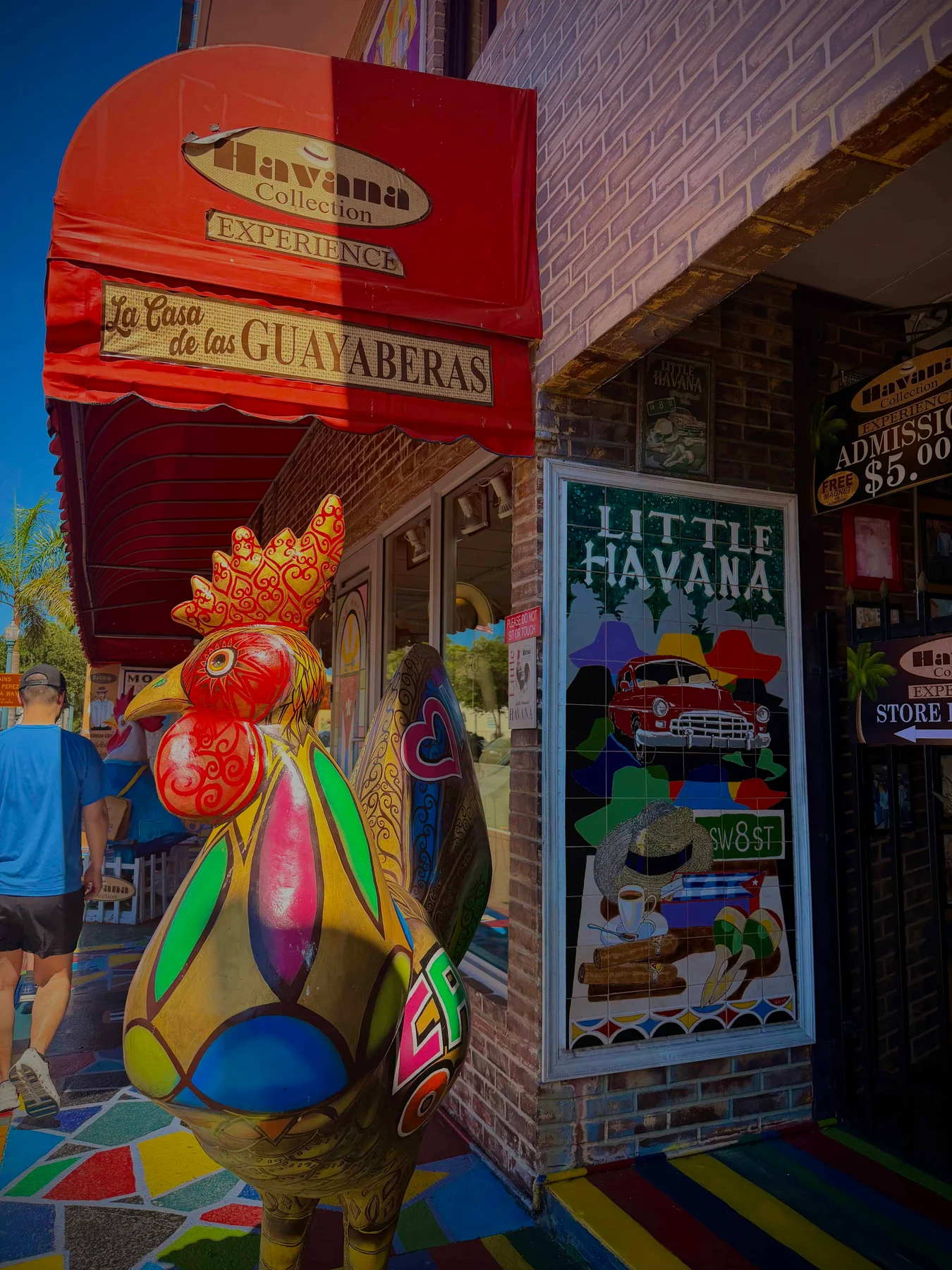
Between the food, there's the culture. We browsed La Casa de las Guayaberas, all stacks of Cuban hats and rows of guayaberas, the traditional Cuban shirt. You can spot one by its fine pleats and four front pockets, originally made for farmers to carry their cigars, pens and the guavas they picked in the fields, which is where the shirt gets its name. At the back, a little museum of classic cars takes you straight to the streets of Havana.
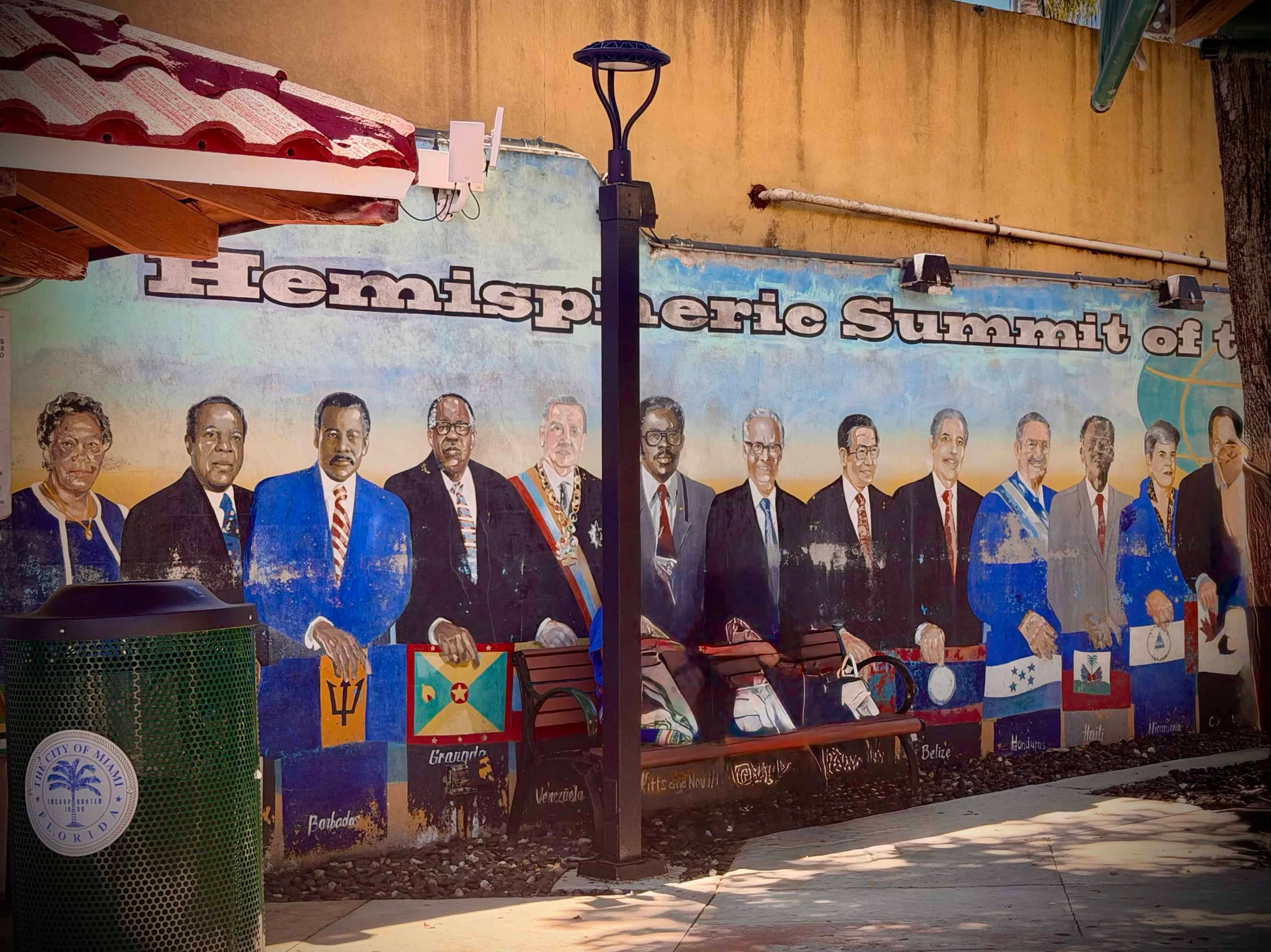
We stopped at Domino Park too, an institution on Calle Ocho where locals gather to play. You have to be a member, and over fifty-five, to take a seat, though visitors are welcome to watch. For the Cuban community, this corner has been a gathering place for generations. In many ways, it's the soul of the neighbourhood.
The one we'd been waiting for
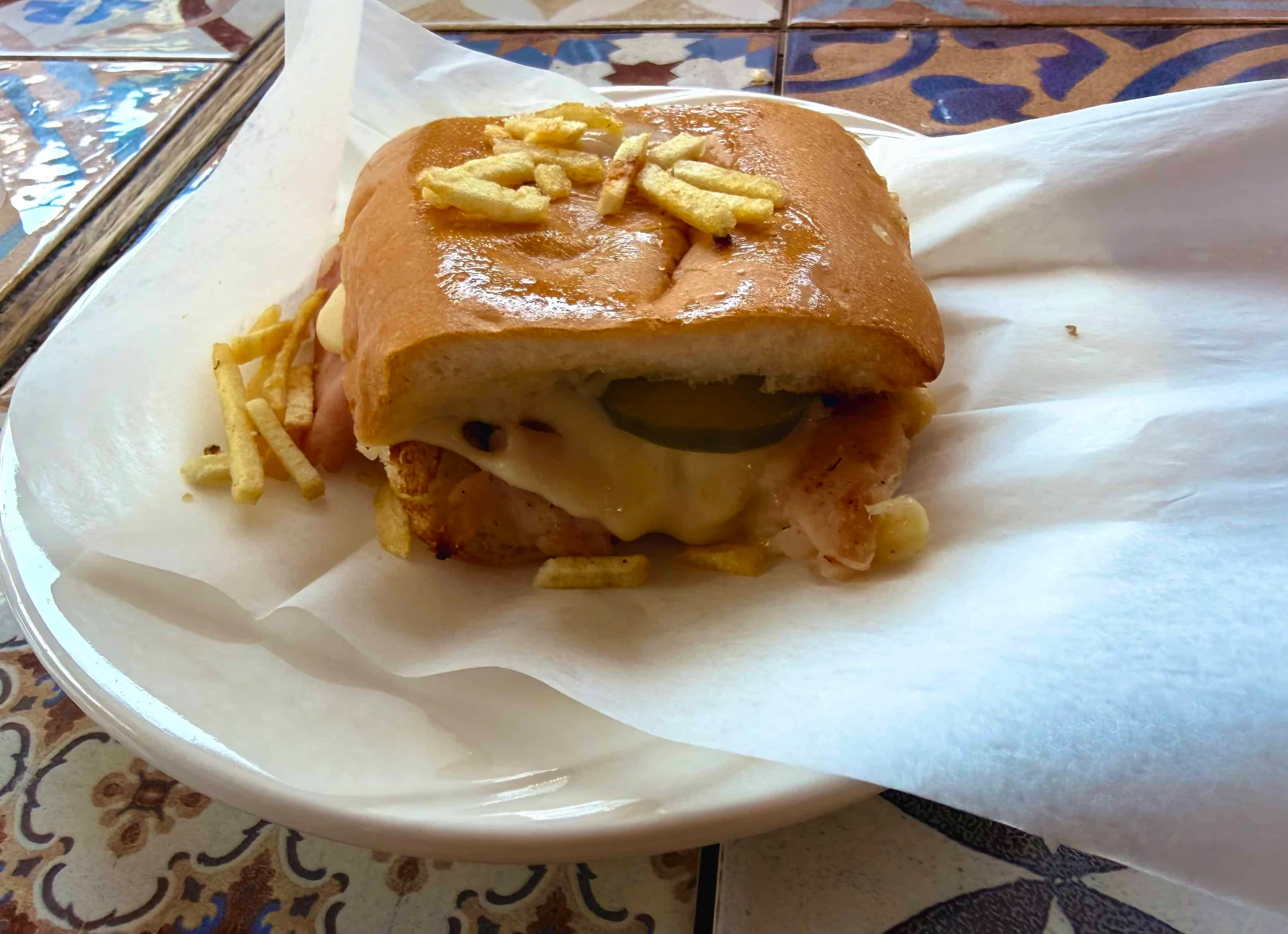
And then, the dish we'd most been looking forward to. Just behind Domino Park, at Old's Havana, we tried the Cuban sandwich. Roast pork, ham, Swiss cheese, pickles and mustard, pressed on Cuban bread until hot and crisp. Our guide swore it was one of the best in the city. One bite, and we believed him.
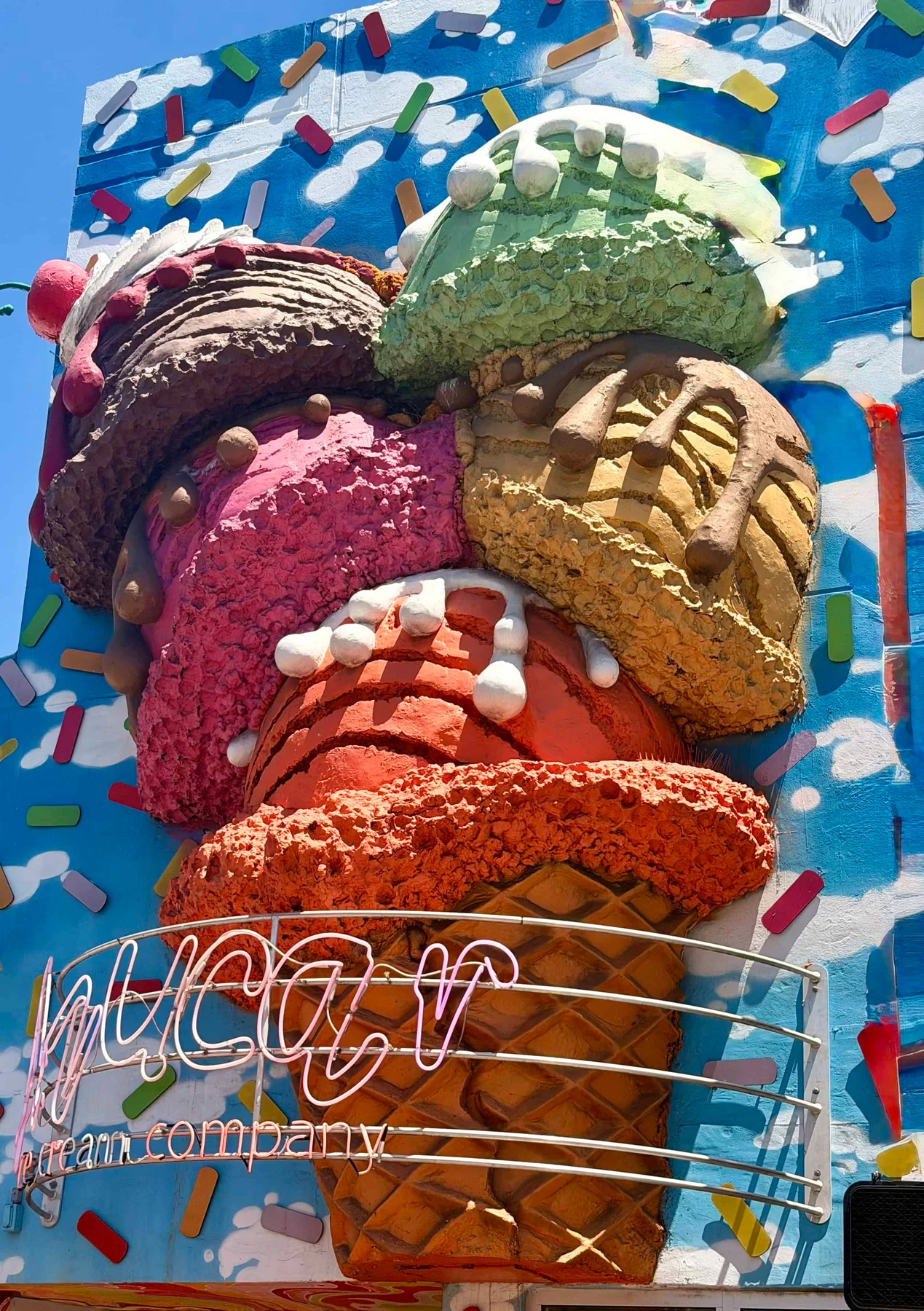
We ended on something sweet at Azúcar, a Little Havana favourite, and its famous flavour: Abuela María. Named after the founder's grandmother, it folds guava, cream cheese and crushed Maria cookies into vanilla ice cream. A Cuban classic, in a scoop, and a fitting place to finish.
Would we recommend it?
Without hesitation. Everything is within easy walking distance, the group stays small, and you taste and learn far more than you ever would wandering in on your own. You leave full, but you also leave knowing the place: the history, the faith, the families who've run the same counters for decades.
What really made it, though, was our guide. Funny, warm, and full of stories about Cuba's history and culture, he turned a row of food stops into an afternoon we still talk about. If you find yourself in Miami with a spare few hours, do this one. Come hungry.